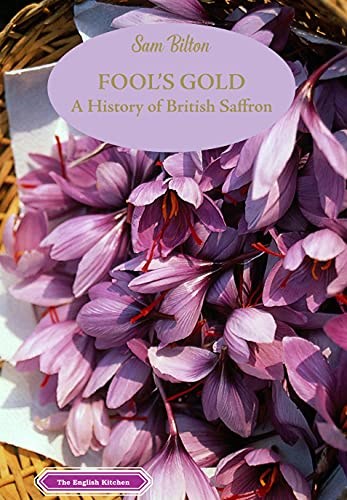
Fool's Gold: A History of British Saffron (The English Kitchen) by Sam Bilton

This book has not been indexed yet...

Notes about this book

This book does not currently have any notes.

You must Create an Account or Sign In to add a note to this book.

Reviews about this book

This book does not currently have any reviews.

  • ISBN 10 1909248746
  • ISBN 13 9781909248748
  • Published Nov 15 2022
  • Format Paperback
  • Page Count 304
  • Language English
  • Countries United Kingdom
  • Publisher Prospect Books

Publishers Text

Saffron has allured us with its golden hues throughout time. It was the darling of the Medieval kitchen, the saviour of the apothecary's chest and gave cloth a regal glow. Unlike many spices, such as cinnamon, nutmeg and cloves, saffron can be successfully grown in England. From the middle ages through to the eighteenth century there was a thriving saffron industry in this country. Some people even claimed English saffron was the best to be found in the world. So renowned was the town of Chipping Walden for saffron production that it adopted the spice's name at some point during the fifteenth century (it is now known as Saffron Walden). Despite its expense, saffron was used extensively in British cookery particularly during the medieval era. It was also valued for its medicinal properties and was said to cure everything from melancholy to the plague. However, as tastes change our ardour for saffron waned and so with it the need and desire to farm it. By the end of the nineteenth century saffron production in England had all but disappeared, although there is a current day revival. Saffron is now a spice more commonly associated with 'exotic' dishes from distant climes. Given its lavish reputation (saffron is the most expensive spice in the world) it is no wonder that most people do not have it in their spice cupboard. Sam Bilton will show you how a few saffron fronds can make your repast a thing of great beauty and wonder to your dinner guests.

Other cookbooks by this author