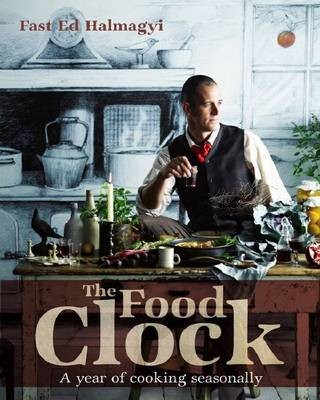
The Food Clock: A Year of Cooking Seasonally by Ed Halmagyi
-
Vanilla custard (page 24)
from The Food Clock: A Year of Cooking Seasonally The Food Clock by Ed Halmagyi
show
Notes about this book
You must Create an Account or Sign In to add a note to this book.Reviews about this book
- ISBN 10 0732293782
- ISBN 13 9780732293789
- Published Aug 01 2012
- Format Paperback
- Page Count 320
- Language English
- Countries Australia
- Publisher Harper Collins Australia
- Imprint HarperCollins Publishers (Australia) Pty Ltd
Publishers Text
According to research, most Australians have no more than ten recipes in their entire culinary repertoire, and these basic dishes are the staples of family dinner regardless of what foods might actually be in season. The Food Clock is a device used repeatedly throughout this book reminding the reader to what season the recipe belongs. So why the Food Clock? There are four great reasons to cook with the cycles of the year. First of all you'll save money, as seasonal foods are always less expensive. In particular you'll find great value fruit and veg at the tail end of their season. Secondly, the quality is guaranteed to be better. You can buy imported cherries in the middle of winter, but they have been air-freighted and cold-stored resulting in a great looking fruit that tastes of nothing. Meanwhile, delicious local pears and quinces are stacked high at the greengrocer. Thirdly, seasonal food consumes fewer resources to produce - less agricultural inputs like fertiliser, and fewer 'food miles' in transport. But the last reason is also the most important: this seasonally-better, cheaper and more-local food requires less work in the kitchen, making the whole process of cooking significantly easier. If you start with an anaemic tomato, then it takes enormous amounts of labour and knowledge to transform it into something edible. But when you start with a perfectly sweet summer-ripened tomato, then all you need is a simple dressing to create a work of art.Other cookbooks by this author
- Better Homes & Gardens: Seasonal Kitchen: 70+ Delicious Recipes from Fast Ed
- Dinner in 10: Cook Simple, Stylish Food in 10 Minutes Flat!
- The Everyday Kitchen: 52 Easy, Healthy and Hearty Meals
- An Hour's The Limit: Great Food in Less than 60 Minutes!
- Nove Cucina: Irresistible Recipes from an Italian Trattoria