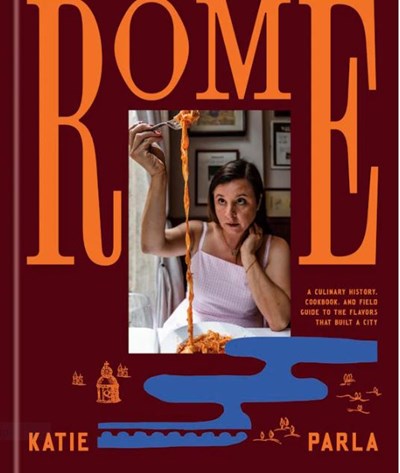
Rome - A Culinary History, Cookbook, and Field Guide to Flavors that Built a City by Katie Parla
Notes about this book
You must Create an Account or Sign In to add a note to this book.Reviews about this book
- ISBN 10 8986997657
- ISBN 13 9798986997650
- Linked ISBNs
- 9798986997667 Hardcover (Italy) 11/14/2025
- Published Nov 14 2025
- Format Hardcover
- Page Count 352
- Language English
- Countries Italy
- Publisher Parla Publishing
Publishers Text
From Italy’s leading culinary voice and New York Times bestselling author Katie Parla, Rome offers a sweeping portrait of the city’s food culture, past and present.Drawing on two decades of research, eating, and storytelling in the Italian capital, Parla shows how the Roman table has evolved from the Iron Age to today and why it remains one of the world’s most compelling.
Rome launches with a thorough history through a culinary lens, beginning with its murky Iron Age origins, tracing the impact of conquests through the Roman Republic to the expansion of trade routes during the Empire and a scrappy period through the Middle Ages to ready Rome for its revival into the Renaissance era.
Parla covers the political, societal, and economic shifts of the 18th and 19th centuries, from Napoleon to Mussolini and the post-war boom that introduced the “dolce vita” lifestyle, illustrating how people ate through the eras to bring readers into the mindset of present-day Rome.
The book contains over 110 recipes, drawn from experts (home cooks, restaurant pros, and food artisans alike) and is organized with a thematic approach: fried snacks and starters; pasta and soup; fish, meat and offal; vegetables, salads and sides; pizza and breads; and desserts.
While the city’s beloved supplì, cacio e pepe, and maritozzi traditions are well represented, Parla finds opportunities to showcase a wider swath of Rome’s dining culture with recipes such as a hearty fettuccine al sugo di coda oxtail pasta and a warming minestra di broccoli e arzilla, or romanesco and broccoli soup.
More than a mere cookbook, Rome contains in-depth features that range from reflections on the fetishization of the cucina povera to the rise of the city’s urban dairy trade. An appendix highlights the forces shaping Rome’s drinking culture, spanning the categories of water, wine, craft beer and cocktails, followed by Parla’s essential recommendations to eating, drinking, and shopping in Rome today.
Accompanied by playful illustrations and custom maps by designer Ian Dingman, the stories and ingredients of the Eternal City are brought to life in Rome with expressive photography by Ed Anderson.
Other cookbooks by this author
- American Sfoglino: A Master Class in Handmade Pasta
- American Sfoglino: A Master Class in Handmade Pasta
- Flour Lab: An At-Home Guide to Milling Grains, Making Flour, Baking, and Cooking
- Food of the Italian Islands: Recipes from the Sunbaked Beaches, Coastal Villages, and Rolling Hillsides of Sicily, Sardinia, and Beyond
- Food of the Italian South: Recipes for Classic, Disappearing, and Lost Dishes
- Food of the Italian South: Recipes for Classic, Disappearing, and Lost Dishes: A Cookbook
- Rome: A Culinary History, Cookbook, and Field Guide to Flavors that Built a City: Special Edition Slipcase
- Tasting Rome: Fresh Flavors and Forgotten Recipes from an Ancient City
- Tasting Rome: Fresh Flavors and Forgotten Recipes from an Ancient City